Summer in Wood River presses on an air conditioner until it finally gives out, usually on the hottest day. That is a familiar scene to homeowners here. I have sat in living rooms with families while a technician opened a unit and pointed out a hairline crack that turned into a $1,200 catastrophe because it went unnoticed for months. Seasonal inspections stop that trajectory more often than not. They are not magic, but they are practical, cost-effective, and in many cases the difference between a planned repair and an emergency call that costs extra and eats into comfort when you need it most.
Why inspections matter around here Wood River sits in southern Illinois where humidity and heat can combine and stress an AC system through long cooling seasons. Equipment ages, refrigerant slowly leaks, coils collect film, and electrical connections loosen. Each small failure mode is predictable and detectable if you look for it at the right cadence. A technician with a checklist and experience can catch a failing capacitor, a dirty condenser coil, or a refrigerant level that is slightly off before those issues force the compressor to overwork and fail. Preventing a compressor replacement often saves you three to five times the cost of routine checks, plus the inconvenience of waiting for parts on a 95 degree afternoon.

What a seasonal inspection actually uncovers A typical seasonal inspection turns up three categories of problems. The first is maintenance deficits that degrade efficiency: clogged filters, dirty coils, and obstructed condensate drains. These are inexpensive to fix and immediately restore capacity and airflow, lowering energy bills. The second category is wear and tear on electrical and mechanical components like capacitors, contactors, and fan motors. These parts are relatively cheap to replace, but if they fail they can take down major components. The third category is refrigerant problems and airflow imbalances. Low refrigerant usually signals a leak that will worsen over time; when left alone it can cause compressor burnout. During an inspection a trained technician can measure pressures, verify amp draws, and calculate superheat and subcooling, which tells whether the refrigerant charge is correct and the system is operating within safe limits.
A story that illustrates the cascade Last summer I worked with a homeowner in the Highland neighborhood who had a 12-year-old split system. They called because the AC was running longer than usual but still not cooling enough. An emergency call in July would have meant a long wait. During a seasonal inspection earlier in June a technician had flagged reduced airflow and a mildly low refrigerant charge. The homeowner chose to delay the recommended service to save money. By mid-July the low refrigerant had allowed the compressor to overheat, and the system shut down. The compressor replacement plus incidental repairs cost four times what the initial recommended service would have. That is not an abstract lesson. Small problems compound quickly, and seasonal checks are timing instruments that let you choose repairs under normal schedules and budgets.
What inspectors look for and why each item matters A seasonal inspection is more than a quick look. It combines measurement, observation, and preventive replacement. Technicians check airflow, measure voltage and amperage, inspect wiring for heat damage, clean or replace filters, clear drains, and vacuum and chemically clean coils when needed. They test thermostat operation and confirm setpoints. They also test the safety controls. Why measure current draw on a compressor? Because a motor drawing extra amps is straining and will fail sooner. Why confirm condensate drain function? Because a blocked drain can cause indoor water damage, mold growth, and trigger an overflow switch that turns off the system.
There are trade-offs in choosing how thorough to be. A barebones check might include filter replacement and a quick refrigerant sniff, which keeps costs down but misses electrical issues. A thorough inspection that includes both electrical diagnostics and coil cleaning costs more up front, but it locates problems that cause emergency failures. For most mid-size homes in Wood River, I recommend the thorough approach once a year and a lighter mid-season check if your system is older than ten years.
Timing and frequency: when to schedule checks The practical cadence for inspections depends on system age, usage, and the manufacturer’s recommendations. For a typical central AC that sees standard seasonal use, one detailed inspection in spring before heavy use and one lighter check in the fall before winter storage keeps the system healthy. If you live in an older house with an aging system, increase frequency to twice per year in spring and mid-summer. High-use systems, like rental properties or homes with poor insulation that keep the AC running constantly, benefit from quarterly checks.
Spring inspections catch refrigerant leaks and dirty coils before peak load. Fall inspections confirm that the system survived the heat and prepare it for idle months, addressing problems that could get worse with temperature swings. If you have allergies or respiratory sensitivities in the household, add a filter check every month during heavy use. Regular inspections also let you track wear over time, which helps make better replacement decisions rather than guessing under pressure.
Concrete numbers and cost perspective Emergency AC repair on a modern split system often runs in the hundreds to several thousand dollars depending on the component. Replacing a compressor can cost $1,200 to $2,500 or more when labor, refrigerant recovery, and new parts are included. A seasonal inspection from a reputable service typically costs a fraction of that amount. In many cases, the inspection itself B & W Heating & Cooling AC installation in Wood River may be included in a maintenance plan that costs roughly $75 to $200 annually. Filter replacements and small parts found during the check might add another $20 to $150. Over a five to ten year ownership horizon, investing in regular inspections can reduce the probability of catastrophic failure by a substantial margin and save thousands.
How inspections affect system lifespan and efficiency A well-maintained system operates closer to its rated efficiency. Dirty coils and clogged filters can reduce efficiency by 10 to 30 percent depending on severity. That directly translates into higher electric bills and more on-time wear. A seasonal inspection that restores airflow and correct refrigerant levels not only reduces operating cost but eases the mechanical burden on moving parts. As a rule of thumb, each incremental increase in operating temperature and load shortens motor and compressor life. Keeping the system running cool and with good airflow preserves those expensive components.
Who should perform the inspection Not all inspections are created equal. There is a difference between a homeowner walking around the outdoor unit and a licensed technician conducting a thorough diagnostic. Professionals bring tools and training: manifold gauges, clamp meters, and the ability to interpret manufacturer's specifications. They know to test amp draws, check for oil around service ports that indicates leaks, and measure temperature splits across the evaporator coil. If you are looking for AC Repair in Wood River IL, or AC maintenance in Wood River, choose a contractor with local references, proper licensing, and clear explanations of what they check and why. Companies such as B & W Heating & Cooling advertise both installation and maintenance in the region and typically offer service agreements that bundle inspections with priority scheduling.
Service agreements and preventive plans: what to expect A maintenance plan buys priority and predictability. Good plans include an inspection, basic cleaning, checks of electrical and mechanical components, and a written report. They may offer discounts on repairs and priority emergency response. When comparing plans, look for clear lists of included services, transparent pricing for parts and labor, and terms for response times. Paying a modest annual fee for preventive care reduces the odds of emergency AC repair in Wood River IL, and during heat waves those priority commitments matter.

Edge cases and when inspections may not help Inspections reduce risk but do not eliminate it entirely. Sudden failures due to manufacturing defects or external damage after storms may still happen. If your system is at or beyond typical service life for residential equipment, about 12 to 15 years for many units, inspections will reveal increasing frequency of failures and may suggest replacement as the better economic choice. For split systems that use phased-out refrigerants, inspections will flag leaks that are expensive to repair because refrigerant is hard to obtain. In those cases, replacing the unit can be more sensible than repeated repairs.
Practical checklist for homeowners Follow this short checklist before scheduling a professional inspection to make the visit efficient. It keeps the technician focused and reduces trip times.
- clear at least three feet of debris and vegetation from around the outdoor unit for good airflow change or clean the indoor filter, and note the type you used turn the thermostat to cool and note the temperature the house held the previous day at peak usage list any odd sounds, odors, or patterns of failure, and when they occurred ensure access to the outdoor unit and indoor equipment so the technician can test uninterrupted
Communicating with your technician: what to insist on When you schedule an inspection for AC Repair in Wood River IL or AC maintenance in Wood River, insist on a written scope and a post-inspection report. The report should include measured values like suction and head pressures, amp draws, indoor-outdoor temperature differentials, and any parts the technician recommends for preventive replacement. If they suggest refrigerant top-off, ask whether they will search for a leak and what options they have for repair. If you are considering AC installation in Wood River, request a load calculation rather than a guess based on old rules of thumb. Oversized systems cycle and undersized systems struggle; both reduce comfort and increase operating cost.
Why local knowledge matters A technician familiar with Wood River knows which neighborhoods have older ducts, which homes face afternoon sun that increases load, and how local utility rates affect the calculus between efficiency and cost. Local technicians also understand common failure modes in the area, such as corrosion from winter road salts or pollen that clogs outdoor coils in spring. When you look for AC Repair in Wood River IL or AC installation in Wood River, prioritize contractors who can reference local jobs and provide recent customer feedback from the area.
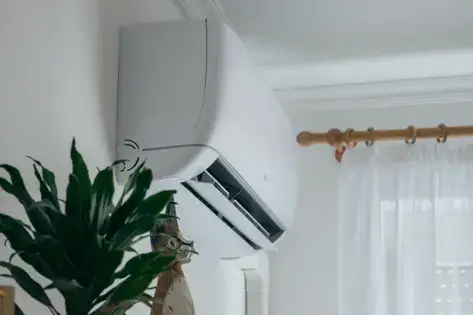
When to consider replacement instead of repair If inspections show repeated refrigerant leaks, or the compressor needs replacement twice in a few years, it is time to compare the long-term economics of replacement. Older units with R-22 refrigerant are a clear example. Even if a repair now is cheaper, future refrigerant costs and increasing failure rates make replacement more attractive. A rule of thumb that many technicians use: if the repair costs more than half the value of a new system and the unit is over ten years old, plan on replacement. Do not let a series of patch repairs extend the agony of declining performance. A new, properly sized system offers better efficiency, quieter operation, and more predictable service life.
How inspections reduce emergency calls during heat waves Emergency service providers see the highest demand during heat waves. Scheduling seasonal inspections before the summer surge reduces your chance of joining that queue. Preventive work also reduces the severity of failures when they occur. A unit that has been maintained is more likely to experience a single component failure that can be replaced quickly than a catastrophic compressor burnout requiring significant downtime. For those who depend on continuous cooling, like households with infants or medical needs, maintenance plans and inspections are not optional; they are risk management.
Final persuasive point A seasonal inspection is an investment that pays in saved time, lower repair bills, extended equipment life, and fewer emergency calls. The work is observational, diagnostic, and preventive. It turns vague worry into a plan with measurements, cost estimates, and choices. If you want fewer surprises this summer, schedule a spring inspection, document the findings, and act on the priority items before the heat arrives. Whether your concern is AC Repair in Wood River IL, AC maintenance in Wood River, or planning a future AC installation in Wood River, regular inspections create options and control where otherwise you would be reacting under pressure. Companies such as B & W Heating & Cooling and other reputable local contractors can perform the checks and explain the trade-offs clearly, so you can make decisions that protect comfort, budget, and peace of mind.
B & W Heating & Cooling
3925 Blackburn Rd, Edwardsville, IL 62025
+1 (618) 254-0645
[email protected]
Website: https://www.bwheatcool.com/