When your house in Wood River is baking in July, the decision to replace or install central air is a practical one that affects comfort, resale value, and your monthly utility bills. I’ve installed both rooftop units and split systems for dozens of homes and small businesses across Madison County. Each solution has clear strengths and predictable compromises. This article walks through those trade-offs, with field-tested examples, concrete numbers where they matter, and guidance for choosing the right option for your property and budget.
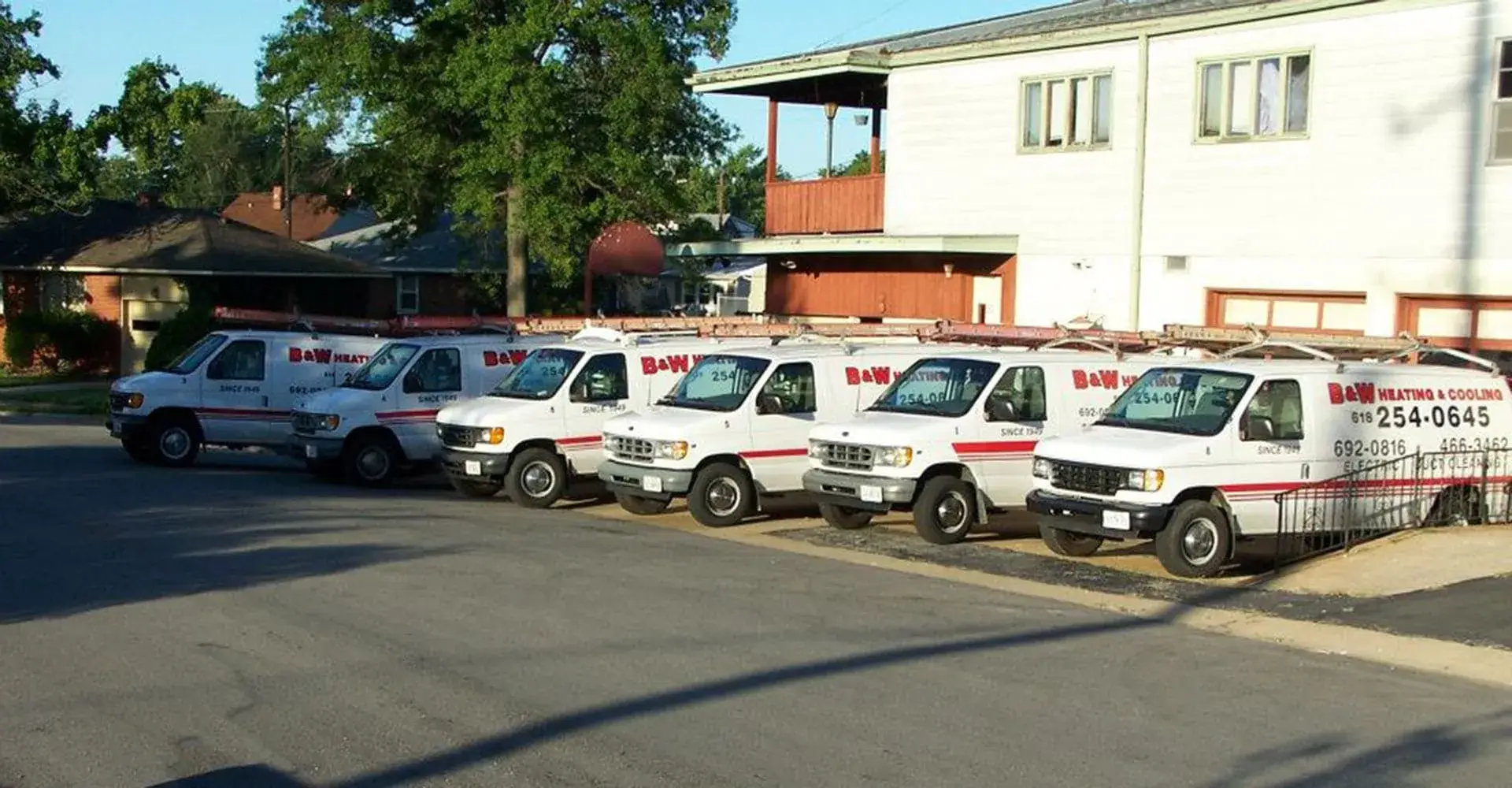
Why this matters Summer highs in the Metro East commonly climb into the 80s and 90s with humidity that makes the air feel heavier. A poorly matched or improperly installed system will struggle, consume more energy, and need repairs sooner. Choosing the right configuration up front reduces the chance of emergency calls at midnight, sudden refrigerant leaks, and repeated component failures that raise your long-term cost by thousands. For reliable service in Wood River, look for local providers like B & W Heating & Cooling who understand area conditions and can match equipment to your building, not just sell a size off a brochure.
How rooftop and split systems differ, in plain terms Rooftop units are packaged systems installed on a flat or low-slope roof. Everything, compressor to evaporator, sits inside a single cabinet. Ductwork connects the rooftop unit through curb or curb adapters to the interior air handling.
Split systems divide the job. The outdoor condensing unit sits outside, usually at ground level, and the indoor air handler or furnace sits in a basement, attic, or utility closet. Refrigerant lines connect the two, and the indoor unit houses the evaporator coil and blower.
Both channel cooled air through ductwork. The differences that follow matter when you weigh maintenance, lifespan, performance, aesthetics, and cost.
Costs you can expect, with context Straight purchase prices vary by brand and efficiency. For a typical 2.5 to 3.5 ton single-family home in Wood River, expect the following rough ranges for equipment only: rooftop units often run slightly more expensive up front than split systems of similar capacity because they are packaged and include the air handler and controls. Installation complexity shifts total job cost.
A typical split system installation including permit, refrigerant lines, and matching coil often falls in a broad range from around $4,500 to $9,500, depending on SEER rating, supplemental modifications, and existing ductwork condition. Rooftop installations commonly run from about $6,000 to $12,000 when you factor curb wiring, roof reinforcement, and rooftop crane or lift costs for placement.
These are ballpark ranges, not fixed quotes. If your ductwork needs repair or the roof needs reinforcement, labor and materials push the total higher. Local HVAC companies will provide walkthrough estimates. For AC Repair in Wood River IL or AC installation in Wood River you want a contractor who physically inspects the job site first.
Performance and efficiency trade-offs A higher SEER rating generally means higher initial cost but lower electricity use. Split systems commonly deliver slightly higher SEER numbers because they benefit from optimized indoor coils and separate compressors. Rooftop units have improved over the years and now reach competitive efficiencies, but rooftop configurations sometimes have longer refrigerant and airflow runs between components, which can lower practical efficiency in older installations.
Real-world example: I replaced a 15-year-old rooftop unit on Emergency AC repair near me a small commercial building downtown. The new 14 SEER package unit brought immediate comfort gains, but because the ductwork had leaks and the rooftop curb was undersized, the measured system-level efficiency fell short of the nameplate SEER. After sealing ducts and replacing the curb adapter, the energy use dropped by about 20 percent compared with the old unit, illustrating that installation quality shapes efficiency as much as the model.
Maintenance and repair realities Rooftop units simplify some maintenance because everything is in one cabinet, but access can be a problem. A tech needs safe roof access, which can add time and cost on every call. That matters for routine service and for emergency work. If you ask for Emergency AC repair near me, rooftop systems sometimes require more coordination, especially if the building manager or homeowner needs a ladder, permalinks, or safety equipment.
Split systems put the condensing unit outside and the air handler inside. That makes many common repairs more straightforward. Replacing a capacitor, contactor, or fan motor on the outdoor condensing unit is often faster when the unit is ground-mounted. Indoor coil or blower work requires basement or attic access, and attic work can be messy or difficult in older homes with limited headroom.
Lifespan and component replacement Expect either system to last around 12 to 18 years with proper maintenance. Rooftop units on harsh roofs with poor drainage sometimes suffer premature corrosion. Split systems with ground-level condensers face issues too, like lawn mower damage, flooding, or vegetation contact. I’ve seen condensers knocked out by a careless lawn crew more than once, leaving homeowners calling for HVAC repair.
When a major failure happens, replacement strategy differs. With rooftop units, you often replace the entire package. With split systems, you can replace the outdoor condensing unit and match a new coil if the indoor air handler remains healthy, which may save money. In either case, properly documented maintenance history from a local HVAC company near me lowers the risk of surprises during installation and when filing warranty claims.
Noise, comfort, and temperature control Indoor comfort hinges on airflow, proper refrigerant charge, and duct balance. Rooftop units reduce indoor noise because the compressor is outside the conditioned envelope, but rooftop fans can transmit vibration into the building if the curb and mounting are poor. Split systems also keep compressors outdoors, but because the indoor blower is often closer to living spaces, you may notice fan noise if the blower motor is oversized or the cabinet is thin.
Both system types support zoning, but split systems lend themselves more easily to multi-zone solutions or ductless add-ons. For homes where different rooms require different setpoints — a nursery, a home office, a sunroom — split systems paired with zoning dampers or standalone ductless heads give more precise control.
Safety, roof integrity, and structural considerations Installing a rooftop unit changes load distribution on the roof. Older roofs may need reinforcement or new curb flashing. If the roof membrane is old, removing and replacing the unit is an ideal time to address roof health. I once worked on a job where a rooftop unit installed decades earlier had no proper curb flashing. After the new unit was set, the crew found water damage in the top floor ceiling. The homeowner ended up paying for roof patching and interior drywall repair, expenses that could have been avoided with a pre-installation roof inspection.
Ground-mounted split condensers avoid roof work, but they require a flat, solid pad and adequate airflow clearance. Keep the condenser at least AC Repair in Wood River IL B & W Heating & Cooling 12 to 24 inches off combustible siding, and allow two to three feet on the sides for service access. Shrubs or lattice too close to the unit reduce airflow and raise head pressure, which shortens equipment life.
Permitting, codes, and contractor responsibility Wood River and Madison County have specific permit requirements and mechanical codes. Electrical work for AC systems must meet local inspection. A reliable HVAC contractor takes care of permits and schedules inspections. When you search HVAC contractor or HVAC Service Near Me, ask whether the company includes permit fees in the quote and who will be responsible for failed inspections. That detail separates reputable local contractors from fly-by-night installers.
Common installation mistakes I see Improper refrigerant charge is common. Some installers guess by sight or rely only on superheat without adjusting for indoor and outdoor conditions. A correct charge is determined by weight, pressure, and measured delta T across the evaporator. Undersized ducts or poorly sealed plenums are another frequent error. Even the best unit performs poorly with 20 to 30 percent duct leakage. Long short-circuited returns, missing insulation around ducts in unconditioned spaces, and mismatched return and supply sizes produce uneven cooling and higher bills.
Anecdote: A homeowner called me because their new rooftop unit cycled constantly and the upstairs never cooled. I found the original installer had reused undersized flex duct, and the unit had been short-cycling because of high discharge temperature. Correcting the duct layout and balancing the system solved the problem without replacing the rooftop unit.
When rooftop becomes the sensible choice Rooftop packaged units are often the right pick for commercial buildings, small multi-family structures, and single-story houses with limited interior mechanical space. If you lack a basement or utility closet large enough for an air handler, rooftop packaged units simplify logistics. They are also attractive when you want a single cabinet with fewer internal components to coordinate.
Consider rooftop when you have a structurally sound flat roof, a good route for lift equipment, and a budget that accounts for the extra roof work. For commercial owners who need a single point of service and a packaged control scheme, rooftop units minimize indoor footprint and simplify rooftop-level maintenance planning.
When split systems make more sense Split systems fit most single-family homes, especially those with basements or utility closets. They make maintenance access simpler, and component-level replacement is often cheaper. If you plan to add zoning, a split system with a variable-speed blower pairs well with smart thermostats and multiple dampers.
Split systems are the usual choice when aesthetics, landscaping, or roof condition make rooftop units impractical. When energy efficiency is a priority, and you want the highest practical SEER within a given budget, split systems typically offer more options at different price points.
Decision checklist for Wood River homeowners The following short checklist consolidates the main decision factors to discuss with your contractor:
1) Space and access: is there indoor space for an air handler, or will rooftop installation avoid attic or crawlspace complications? 2) Roof condition and structural capacity: does the roof need repair or reinforcement that will change the project scope? 3) Long-term maintenance and access: will future routine service be easier from ground level or rooftop? 4) Energy and efficiency goals: are you prioritizing lower first cost, minimum operating cost, or highest possible efficiency? 5) Zoning and comfort needs: do you need multiple temperature zones or quiet operation in living spaces?
Installation timeline and disruption Expect a typical split system changeover to take one to three days with a normal crew. A rooftop install can require more planning. Crane rental, roof access setup, and curb modifications add time. On a straightforward residential rooftop swap the job might be completed in one to two days, but plan for up to a week if roof work, duct repairs, or permits elongate the schedule.
If you are replacing an older system, ask the contractor to coordinate electrical shutoffs and to protect flooring and landscaping. Reputable HVAC companies will cover floors with runners, seal attic access, and schedule work to minimize disruption. When you search for HVAC repair or HVAC Service Near Me, ask whether winter or late-spring scheduling affects lead times for equipment delivery.
Warranty, service contracts, and long-term costs Equipment warranties vary by brand and component. Condensers typically carry longer compressor warranties than parts. Labor warranties depend on the installer. A three to five year labor warranty on major components is a sign the contractor stands behind the work. Regular maintenance extends warranty eligibility for many manufacturers, so sign up for an annual tune-up program.
Service contracts reduce the chance of emergency breakdowns. For households who want peace of mind, a seasonal maintenance plan that includes a spring tune-up and fall inspection for the heat side prevents failures during peak cooling or heating seasons. When you sign a service agreement with a local HVAC company near me like B & W Heating & Cooling, you often get priority scheduling during hot spells and discounts on parts.
When to call for AC Repair in Wood River IL now If your system is more than 10 years old, runs continuously without reaching setpoint, shows visible refrigerant oil stains, or trips breakers with startup, schedule a diagnostic. Those signs indicate mechanical stress that shortens lifespan and increases the odds of a sudden failure. Emergency AC repair near me becomes pricey when compressors seize or when indoor humidity soars after a refrigerant leak.
Choosing a contractor and questions to ask Select a contractor who will physically inspect your ductwork, roof, and electrical service before quoting. The right questions to ask include: do you include permits and inspections? Will the equipment be matched based on Manual J load calculations? Who handles refrigerant reclamation and environmental compliance? What is the planned schedule, and what happens if the roof needs unexpected repairs?
Ask for references on similar local jobs. Contractors who work regularly in Wood River understand municipal inspection timelines and local common issues, such as crawlspace moisture or specific attic configurations.
Final practical advice If your property is a standard single-family home with an accessible basement or attic, a split system usually gives better value, more straightforward maintenance, and greater flexibility for future upgrades. For commercial properties, single-level buildings, or homes with no mechanical room, a rooftop packaged unit often simplifies the installation and preserves indoor space.
Whatever route you take, insist on proper duct sealing, correct refrigerant charging, and documented startup data. Those three items make the difference between a system that performs to its specification and one that disappoints. If you need AC Repair in Wood River IL or want a site visit for AC installation in Wood River, start with a local, licensed HVAC contractor who provides a written scope and differentiates between necessary upgrades and optional extras.
If you want a recommendation, B & W Heating & Cooling has a track record in the area for service and installations. Call for an inspection that includes a Manual J load calculation, an attic and roof review, and a review of duct condition. Good installers turn a complicated choice into a predictable outcome, and that saves money and sleepless nights when the heat and humidity set in.
B & W Heating & Cooling
3925 Blackburn Rd, Edwardsville, IL 62025
+1 (618) 254-0645
[email protected]
Website: https://www.bwheatcool.com/